Menopause and Your Gut: What's Really Happening Inside
Your hormones shifted. So did your gut bacteria. Here's what science reveals about the connection—and what you can do about it.
12/10/20252 min read

You wake up at 3 AM again.
Hot. Irritable. Exhausted.
You've tried everything.
Cut calories.
Increased workouts.
Nothing works like it used to.
Here's what your doctor didn't tell you: your gut changed when your hormones did.
The Invisible Shift
Around age 40, your gut bacteria reach peak diversity.
Then menopause hits.
Your gut microbiome begins to look more like a man's.
Not because you're doing anything wrong.
Because estrogen controls more than you realize.
The estrobolome—specialized gut bacteria that manage estrogen—starts failing.
Less diversity means weaker defense.
Your gut can't fight off invaders as efficiently.
Inflammation rises.
What Science Shows
Recent research from January 2025 identified something remarkable: 32 species of gut bacteria predict both menopause symptoms and diet quality.
A new bacterium, never seen before, emerged as the strongest predictor.
Translation?
Your gut composition directly influences how miserable (or comfortable) you feel during this transition.
Studies also reveal certain gut bacteria can directly metabolize sex hormones like estrogen and progesterone.
Your gut isn't just responding to hormonal changes.
It's participating in them.
The Mediterranean Connection
Here's where it gets interesting.
The Mediterranean diet—rich in vegetables, fish, olive oil, nuts, whole grains—does something specific to your cells' power plants.
Research shows this eating pattern may limit free radical production and reduce mitochondrial damage.
Mitochondria are your cells' batteries.
When they decline, so does your energy.
Your metabolism slows.
Weight creeps up.
Components like delphinidin (in berries), resveratrol (in grapes), and lycopene (in tomatoes) may restore mitochondrial function.
But there's more.
A 12-month Mediterranean diet study showed participants experienced lower inflammatory markers including C-reactive protein and interleukin-17.
The diet also increased production of short-chain fatty acids while decreasing harmful compounds like secondary bile acids and p-cresols.
These changes weren't superficial.
They correlated with reduced frailty markers and improved cognitive function.
What This Means For You
Your symptoms aren't just "part of aging."
They may reflect what's happening in your gut.
Practical steps based on current evidence:
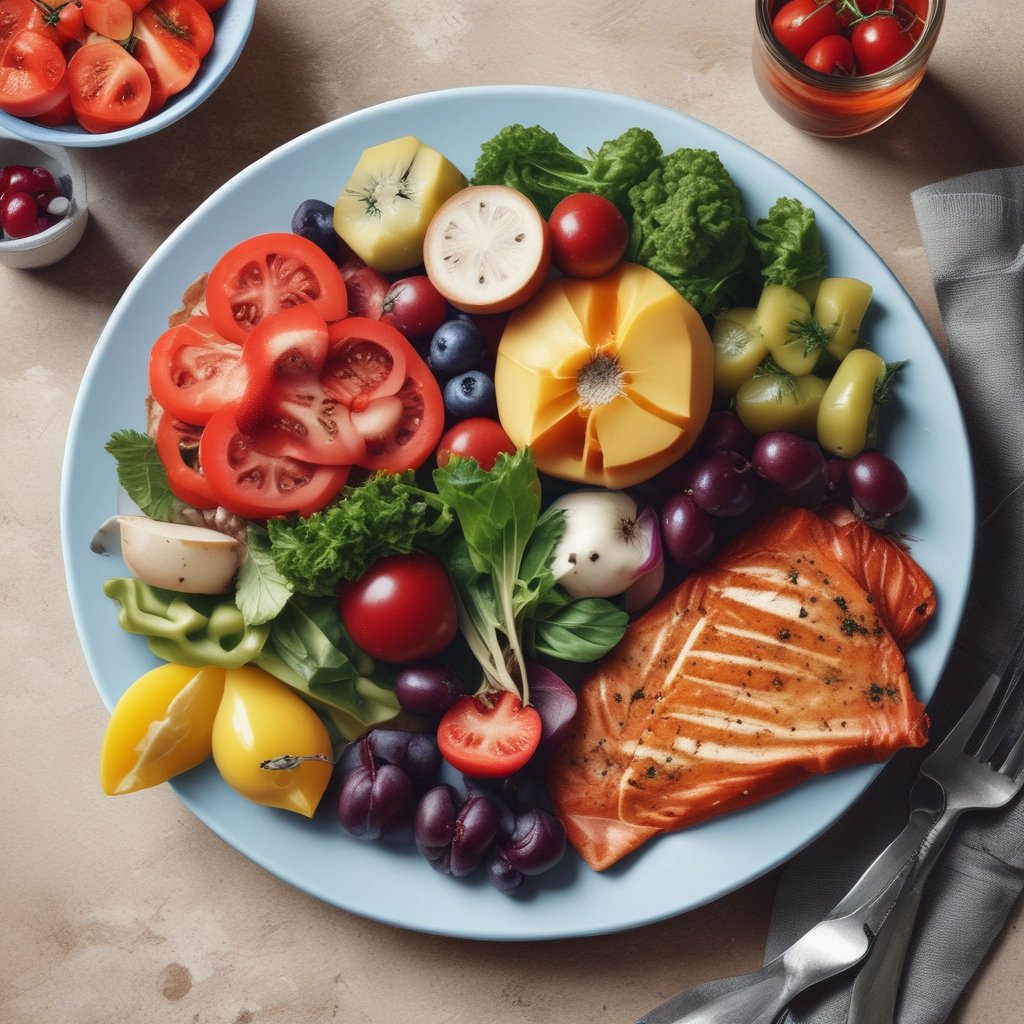
• Load your plate with color – Vegetables, fruits, berries, leafy greens. The polyphenols may protect your mitochondria.
• Choose olive oil – Not seed oils. The Mediterranean staple has documented anti-inflammatory effects.
• Eat fish twice weekly – Salmon, sardines, mackerel. Omega-3s may support mitochondrial function.
• Add fermented foods – Kefir, sauerkraut, kimchi, natto, miso. They provide beneficial bacteria your gut needs.
• Increase fiber to 25-35g daily – Onions, bananas, beans, whole grains. Prebiotic fiber feeds good bacteria.
• Include nuts daily – Walnuts, almonds, pistachios. Rich in nutrients that may support cellular health.
• Limit processed foods – They may damage gut diversity and increase inflammation.
• Skip artificial sweeteners – They may harm the microbiome.
The Bigger Picture
Recent ZOE research found gut microbiome composition could predict participants' menopause symptom scores.
This suggests personalized, microbiome-targeted approaches may help women during this transition.
Not tomorrow.
But the research direction is clear.
Your gut bacteria aren't passive bystanders.
They're active players in how you experience menopause.
The Truth About Change
You cannot stop menopause.
But you may influence how it affects you.
Studies show Mediterranean eating patterns are linked to improved gut health and more diverse gut microbiome.
Every meal is a chance to feed the bacteria that support you.
Or the ones that don't.
The choice, as always, remains yours.
Scientific references: